
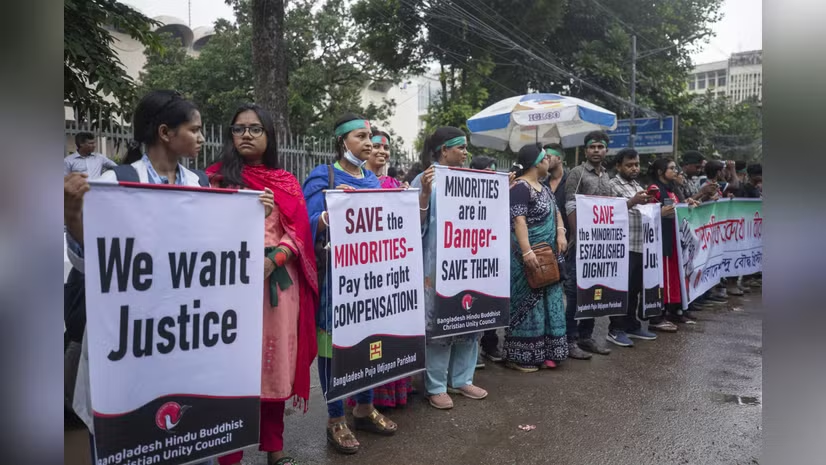
For many families in Bangladesh, the pain of not knowing what happened to a loved one has lasted for years. Mothers, fathers, spouses, and children have spent countless days searching for answers after relatives were allegedly taken away and never returned. Enforced disappearance is one of the most serious human rights violations because it leaves families trapped between hope and grief, often without any information about the fate or whereabouts of those who disappeared.
Human rights groups have documented hundreds of cases of enforced disappearance in Bangladesh over the last two decades. Victims have included political activists, journalists, human rights defenders, and ordinary citizens. Many families have reported that their relatives were taken by individuals believed to be linked to state authorities, only to vanish without any legal process or official acknowledgement. According to reports, some victims later reappeared after years in secret detention, while many others remain missing.
Following the political changes in 2024, there was renewed hope that the truth would finally emerge. The interim authorities established a Commission of Inquiry on Enforced Disappearances to investigate past cases and identify those responsible. The commission was created to examine allegations of disappearances that occurred over many years and to provide answers to victims and their families.
Another important step was Bangladesh’s accession to the International Convention for the Protection of All Persons from Enforced Disappearance on 29 August 2024. The convention is an important international treaty designed to prevent enforced disappearances, protect victims, and ensure accountability. Human rights experts welcomed this development as a significant opportunity to strengthen legal protections and promote justice.
Despite these positive developments, many challenges remain. Victims’ families continue to seek information about missing relatives, while concerns persist regarding accountability and institutional reform. Human rights advocates have stressed the need for independent investigations, criminalisation of enforced disappearance under domestic law, effective witness protection measures, and stronger oversight mechanisms. Without these reforms, there is a risk that past abuses may not be fully addressed.
Justice is not only about prosecuting those responsible. It is also about recognising victims’ suffering and providing meaningful reparations. Families deserve access to the truth, official acknowledgement of wrongdoing, psychological support, and compensation where appropriate. Most importantly, they deserve assurances that such violations will never happen again.
Rights Defenders Initiative (RDI) calls on the Government of Bangladesh to take all necessary measures to ensure truth, justice, and accountability for victims of enforced disappearance. This includes conducting prompt, impartial, and independent investigations, prosecuting those responsible in fair proceedings, strengthening national laws in line with international standards, and ensuring meaningful participation of victims and their families in the justice process. RDI further urges the authorities to provide effective reparations and implement safeguards that prevent future disappearances.
References
- Amnesty International – Bangladesh: Signing of Convention on Enforced Disappearances is a welcome first step
- The Daily Star – Bangladesh signs UN treaty on enforced disappearances
- The Business Standard – UN receives instrument of accession to Convention on Enforced Disappearance
- Reuters – UN to send mission to Bangladesh to probe human rights violations
- Reuters – ‘Disappeared’ victims emerge in Bangladesh and seek justice

