
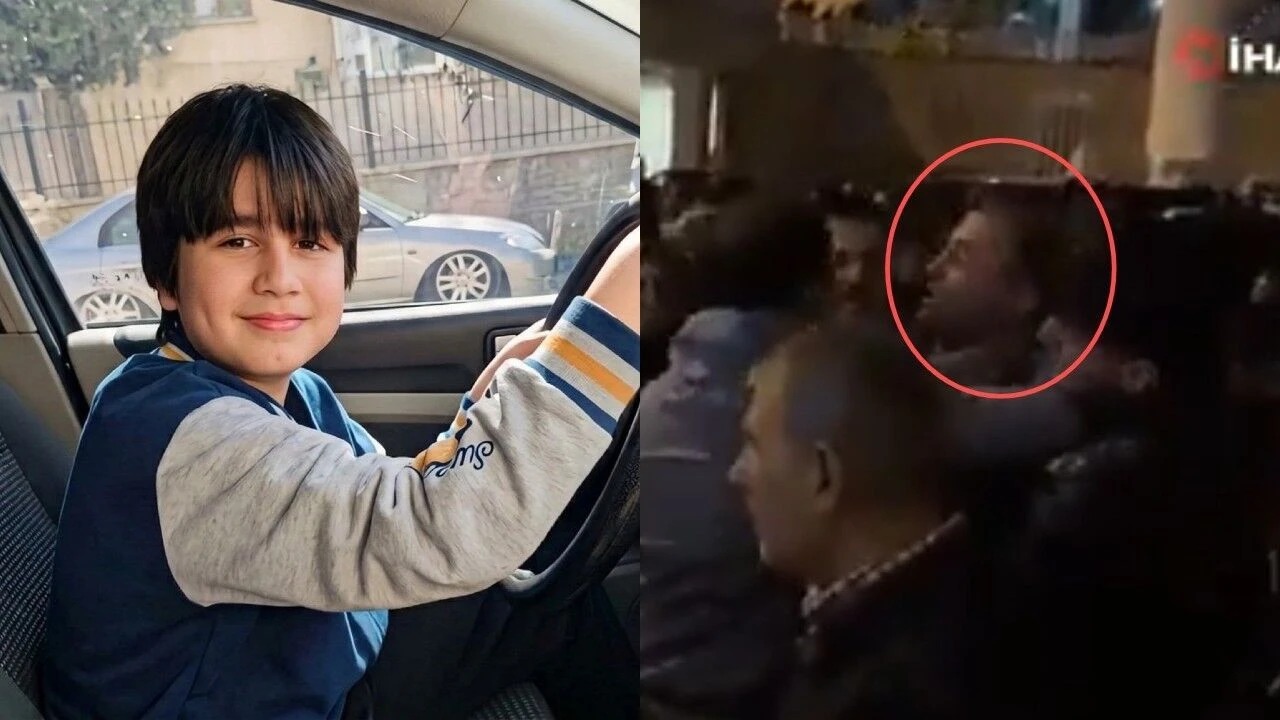
Turkey has been shaken by two school shootings in just a matter of days, first in Siverek and then in Kahramanmaraş, leaving families in grief and exposing serious failures in public safety and state responsibility. But Yusuf Tarık Gül’s story also revealed another long-running reality in Turkey: the systematic persecution of families linked to KHK decrees, which since 2016 have driven thousands into blacklisting, social exclusion, and discrimination far beyond the individuals originally targeted.
Yusuf Tarık Gül was one of the children killed in the Kahramanmaraş school shooting, yet even in death his family reportedly faced discriminatory treatment because his father had previously been dismissed by decree and imprisoned after being placed on a KHK list.
The death and funeral of Yusuf Tarık Gül, an 11-year-old student, exposed serious abnormalities and raised significant human-rights concerns extending beyond the tragedy itself. Following the attack, reports indicated that Yusuf Tarık Gül’s name was initially omitted from the official list of victims and was only later added, reportedly in smaller lowercase lettering, creating a public perception of unequal recognition and symbolic marginalisation. While the community gathered in grief during the funeral, allegations emerged that state representatives avoided meaningful participation because Yusuf’s father had previously been dismissed by emergency decree (KHK) and imprisoned, suggesting discriminatory treatment of a child victim based on his family’s background. The combination of delayed acknowledgement, irregular presentation of his name among the victims, and the politicisation surrounding the funeral raised concerns regarding equality before the law, dignity of victims, and the prohibition of discrimination. From a human-rights perspective, these circumstances suggest a troubling pattern in which even the mourning process may be influenced by political considerations, undermining the obligation of authorities to treat all victims — particularly children — with equal respect, transparency, and compassion.
The allegation that ministers did not attend his funeral because of that family background points to a cruel truth: in today’s Turkey, even a child’s suffering can be filtered through political stigma.
This is not an isolated injustice but part of a broader pattern of collective punishment. For years, KHK-linked families have faced exclusion from work, public life, and social dignity, while allegations of torture, ill-treatment, and degrading treatment have continued to shadow Turkey’s post-coup repression. Yusuf’s case is especially disturbing because it suggests that the state’s logic of punishment does not stop with the accused; it reaches children, funerals, and the basic right to mourn without discrimination.
As Rights Defenders Initiative (RDI), it is affirmed that all forms of unlawful treatment, abuse, and cruel, inhuman, or degrading treatment are absolutely prohibited under international human rights law. The persecution of KHK-linked families, the social erasure of children, and the normalisation of discrimination and impunity in Turkey must end immediately, and all officials responsible for enabling, tolerating, or protecting these violations must be held accountable.
References
- https://www.bbc.com/news/articles/cwyv21q9y1go
- https://www.nytimes.com/2026/04/15/world/europe/turkey-school-shooting-kahramanmaras-province.html
- https://silencedturkey.org/what-is-khk-in-turkey-how-emergency-decrees-silenced-over-300000-lives
- https://silencedturkey.org/life-after-the-khk-what-happens-to-families-blacklisted-by-the-turkish-state

